Can Pruning a Tree Kill It?
Pruning supports structure, removes hazards, and keeps growth in check. At least, that’s what it’s supposed to do. But can pruning a tree kill it? Maybe not at first, but it could start a domino effect that the tree can’t recover from.
In this post, Arbor Safe Tree Service, your go-to source for tree services in Treasure Valley, explains more.
Risks of Over-Pruning Trees
Taking off too much at once is one of the fastest ways to cause harm. Leaves produce energy, so removing a large portion of the canopy limits your tree’s ability to support itself.
If you do this, your tree will have thin foliage and weak new shoots, making it increasingly vulnerable to pests. Heavy cuts also expose the inner bark to sunlight, which could lead to sunscald, especially in younger or thin-barked species. Once damage starts, recovery slows, and decay may follow.
Pruning Mistakes That Harm Trees
Improper pruning can cause long-term problems more easily than you might think.
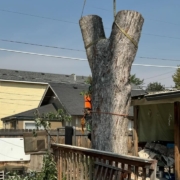
Topping, which involves extensive pruning of the upper structure, is one of the most damaging practices. As a result, the tree becomes weak in its attempts to recover, making it more vulnerable to pests and disease.
Cutting too close to the trunk removes the branch collar, which is essential for sealing wounds. Without it, decay spreads into the main structure.
Timing matters as well. Pruning during the wrong season can invite disease or stress the tree during active growth periods.
Poor tool maintenance adds to the damage because dull blades tear rather than cut, leaving rough wounds that heal slowly.
How Much Pruning Is Safe for Trees?
While too much of a good thing can harm a tree, there’s no denying that the right pruning techniques are essential for ensuring the health of your vegetation. As a guideline, never cut away more than a quarter of the canopy in any season.
Younger trees tolerate shaping better than mature ones, but you still need to plan carefully. Older trees benefit from lighter, targeted cuts that remove dead or hazardous limbs without changing the overall structure too quickly.
Proper Pruning Techniques To Avoid Tree Damage
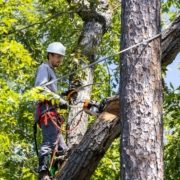
The golden rule of pruning is to make each cut with a clear purpose. Removing dead, diseased, or crossing branches improves the tree’s structure without stressing it. Cuts should be made just outside the branch collar to allow the wound to close naturally.
Large limbs require a controlled approach with clean, sharp tools. A three-step cut prevents tearing and protects the trunk.
Post-pruning care also matters. Water your tree to support healing, especially during dry periods. Use mulch to regulate soil temperature and retain moisture, but never pile it up directly against the trunk.
Watching for Signs of Trouble
So, can pruning a tree kill it? Only if you don’t know what you’re doing. The safest bet is to call Arbor Safe Tree Service at 208-465-9479. We can also help you with larger issues, such as choosing between tree trimming and removal.