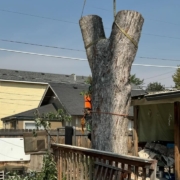
Emergency Tree Removal in Nampa: What Actually Counts as an Emergency
A wind gust rolls through the Treasure Valley, and by morning a large limb is resting on your fence line or a whole tree has come down across the yard. At that moment, most homeowners want answers to the same few questions: is this dangerous, does it need to come down today, and who should they actually call? Arbor Safe Tree Service fields these calls every storm season, and the honest answer is that not every downed limb is an emergency, but some very much are. Knowing the difference before you are standing in your yard staring at storm damage makes all the difference.
This post walks through what actually qualifies as an emergency tree situation in Nampa and the surrounding Treasure Valley, what to do in the minutes right after a tree falls, and how a crew equipped for hazardous removals handles the job safely. The goal is to help you make a clear, informed decision under pressure instead of guessing. By the end, you will know exactly when to pick up the phone, and when a standard visit will do just fine.
What Counts as an Emergency Tree Situation in the Treasure Valley?
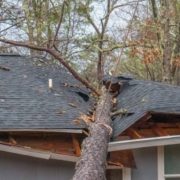
An emergency tree situation is any scenario where a tree or limb poses an immediate risk to people, structures, vehicles, or utility lines. This includes a tree that has already fallen on a home, garage, fence, or car, as well as a large limb hanging loose in the canopy after a storm. It also includes a tree that has visibly cracked at the trunk or has pulled roots partway out of the ground, since either condition means the tree could come down without warning. If a tree is leaning toward a power line or blocking a driveway or roadway, that also counts as urgent even if the tree itself still looks intact.
Not every damaged tree needs same day attention. A few snapped twigs after a windy afternoon, or a tree that lost some leaves, is not usually urgent and can wait for a scheduled visit. The distinction matters because emergency crews and equipment are limited, and reserving them for situations that truly threaten safety keeps response times fast for the homeowners who need it most.
Why Treasure Valley Storms Catch Homeowners Off Guard
Southwestern Idaho does not experience hurricanes or frequent tornadoes, so it is easy to assume trees here are safe from severe weather. But the Treasure Valley sees its own pattern of sudden, high energy wind events, especially in the summer months when cold fronts push through the valley quickly. According to Idaho’s official State Hazard Mitigation Plan, the National Weather Service issues a High Wind Warning whenever sustained winds are expected to exceed 40 miles per hour, or gusts exceed 58 miles per hour, for an hour or more, and a thunderstorm is classified as severe once its wind gusts reach that same speed. Those numbers are more than enough force to snap weakened limbs or topple a tree with a compromised root system.
How Fast Wind Events Can Turn Dangerous
These wind events often develop within a single afternoon, giving homeowners little time to prepare. A clear sky at lunchtime can give way to gusty outflow winds by early evening, particularly as summer heat destabilizes the atmosphere over the valley. Trees that were structurally sound in calm conditions can fail quickly once wind loads spike, especially trees with existing decay, storm damage, or heavy, unbalanced canopies. This is why routine hazard assessments before storm season matter as much as the emergency response itself.
Warning Signs a Tree Won’t Survive a Storm
A few signs reliably predict trouble before a storm ever arrives. Look for deep vertical cracks in the trunk, large dead branches throughout the canopy, mushrooms or fungal growth at the base, and soil that has visibly lifted or cracked near the root flare. Trees that have been topped in the past, or that lean noticeably more than they did last year, also carry a higher risk of failure. If you notice any of these signs, it is worth scheduling a professional hazard assessment well before the next windstorm rather than waiting for a fallen tree to force the issue.
Is a Leaning or Cracked Tree Always an Emergency?
Not automatically, but it should be treated as urgent rather than routine. A tree that has always had a slight, stable lean and shows no new cracking is usually safe to schedule for a standard assessment. A tree that has developed a new lean, especially after a storm, or shows a fresh crack running up the trunk, should be treated as an emergency because both are signs that the root system or trunk structure has already started to fail. When in doubt, it is safer to call and describe what you are seeing than to assume it can wait, since a certified arborist can often tell over the phone whether same day attention is warranted.
What to Do in the First 30 Minutes After a Tree Falls
The first priority after any tree failure is keeping people and pets away from the area, since a fallen tree can shift or drop additional debris even after it looks settled. Move vehicles and outdoor furniture out of the immediate area if it is safe to do so, and avoid walking under any limbs that are still caught in the canopy above. Take photos of the damage from a safe distance for insurance purposes before anything is moved or cut, since this documentation makes the claims process considerably smoother later.
Staying Safe Around Downed Limbs and Power Lines
Never approach a tree or limb that is touching a power line, even if the line looks intact, since downed or stressed lines can carry a live current without any visible sign. Treat any wire near a fallen tree as energized until the utility company confirms otherwise. Keep children and pets indoors until the area has been cleared, and avoid running any equipment near the tree until a professional has confirmed there is no hidden tension in the wood that could cause it to spring back or roll.
When to Call 911 vs. a Tree Service
Call 911 first if a tree has fallen on a person, a vehicle with someone inside, or a structure with people still in it, or if it has come down on a power line. Once immediate safety is confirmed and any emergency responders have cleared the scene, a tree service can take over the physical removal and cleanup. For situations that are hazardous but do not involve immediate danger to life, such as a large limb resting on a roof or a leaning tree over a driveway, going straight to an emergency tree crew is usually the faster and more direct path.
Do Tree Services Work With Insurance Claims?
Yes, reputable tree services routinely work alongside homeowners filing storm damage claims. A written estimate that documents the extent of the damage, along with dated photos from before and after the work, gives an insurance adjuster the information needed to process a claim without unnecessary delays. It is worth asking your tree service for an itemized estimate up front, since generic invoices can slow down reimbursement. Confirming that the company is licensed and bonded also matters here, since insurers frequently ask for that documentation before approving a claim tied to tree removal.
Why a Crane Matters for Hazardous Tree Removal
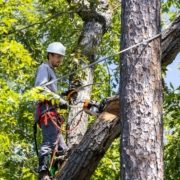
Some tree failures happen in places that make traditional removal difficult, such as near power lines, over a roof, or wedged against a fence in a tight side yard. In situations like these, a crew equipped with its own crane can lift sections of the tree cleanly away from the hazard, rather than dropping them onto the same structure they are trying to protect. This approach reduces the risk of secondary property damage and shortens the time equipment and personnel spend working directly next to instability. It also allows a controlled removal even when there is minimal room to maneuver traditional equipment around the property.
How Fast Can an Emergency Tree Crew Respond in Nampa?
Response times depend on the nature of the emergency, current weather conditions, and how many calls a crew is handling at once during a widespread storm event. A tree resting on a structure or blocking access to a home typically gets prioritized ahead of cosmetic damage. Calling as soon as you notice the hazard, rather than waiting until the next morning, gives a crew the best chance to reach your property quickly and assess the full scope of the work needed. Being available at any hour matters most during the exact hours homeowners are least prepared for a storm, which is usually overnight or during severe weather itself. You can find more emergency service details on our tree care FAQ page.
Final Thoughts
Not every fallen branch requires an emergency call, but knowing the difference protects both your family and your property. Watch for cracked trunks, lifted roots, and any tree in contact with a power line, and treat those situations as urgent rather than waiting them out. Keep people and pets clear of the area, document the damage for insurance, and let a trained crew handle anything involving a crane, a power line, or a structure.
Arbor Safe Tree Service has spent decades responding to storm damage across Nampa, Boise, Meridian, Caldwell, Eagle, and Kuna, and a certified team is ready when the next windstorm rolls through. Whether you are dealing with a downed limb today or want a proactive hazard assessment before the next storm, help is a phone call away. If a tree on your property needs a professional set of eyes, schedule a free consultation and get a clear plan before the next storm arrives.