Three Signs Your Tree Is Dying in Treasure Valley
Caldwell businessman and Chamber of Commerce president Pete Olesen introduced the name “Treasure Valley” in 1959. He created the term to promote the region as a “treasure chest” of natural resources, agricultural opportunity, and economic potential.
Residents still see that idea reflected across the region, especially in the wide variety of trees that grow throughout Treasure Valley. However, the same trees that add beauty and shade to local properties can sometimes begin to decline.
In this blog post, you’ll learn about three common signs a tree is dying. If any of the following sounds familiar, contact Arbor Safe Tree Service to schedule tree services in Treasure Valley.
Tree Health Problems and Decay Common in Treasure Valley
Treasure Valley is a beautiful region with plenty of incredible tree species, but they all face threats. Here are some of the most common:
- Bark beetle infestations that tunnel beneath the bark interrupt the tree’s ability to move water and nutrients.
- Defoliating insects that feed on needles or leaves weaken the tree by reducing its ability to produce energy.
- Root diseases attack underground root systems and slowly destroy the structural support that keeps trees stable.
- Parasitic plants, such as dwarf mistletoe, drain nutrients from branches and gradually weaken the tree.
Learning the signs that a tree is dying helps you identify health issues sooner and take action before the damage spreads or the tree becomes a safety risk.
How To Tell if a Tree Is Dying
The best way to save a tree you think is dying is by looking for the early warning signs of tree decline. The sections below explain three of the most common.
Dead or Falling Branches in the Canopy
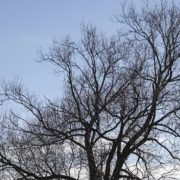
Dead branches often appear first in the upper canopy because the tree can no longer move enough water and nutrients to the outer limbs. Branches may lose leaves early, turn brittle, or snap during mild wind. When several limbs die at once, the tree may struggle with disease, insect damage, or severe root stress.
Large Cracks or Decay in the Trunk
The trunk supports the entire structure of the tree, so visible cracks or soft, rotting wood often signal serious internal damage. Fungal growth, hollow areas, or peeling bark can indicate internal decay. When the trunk loses structural strength, the risk of failure increases quickly.
Sparse Leaves or Discolored Foliage
Healthy trees produce dense, full foliage during the growing season. A dying tree often develops thin leaf coverage, smaller leaves, or unusual color changes. Yellowing, browning, or early leaf drop can indicate disease, root damage, or long-term environmental stress.
Call Arbor Safe Tree Service To Schedule Tree Removal Services in Treasure Valley
If you notice any of the signs a tree is dying mentioned in this blog post, call Arbor Safe Tree Service at (208) 465-9479 to schedule a professional inspection. We’ll sound out one of our trained and locally experienced arborists to diagnose your tree and determine whether removal or recovery is the best option.
Contact us today to talk about any symptoms of a dying tree you notice.